Walking down any busy street in Bangalore, Mumbai, or Delhi, you’ll notice something interesting. The thriving local businesses aren’t the ones trying to appeal to everyone – they’re the ones that make their neighbors feel like family. In 2025, this principle has become the golden rule of digital marketing.
Why “One-Size-Fits-All” Marketing is Dead
Generic marketing messages are like shooting arrows in the dark. You might hit something, but you’ll waste most of your ammunition. Today’s consumers, especially in India’s diverse markets, crave connection and relevance. They want to feel understood, not just targeted.
Consider this: A coffee shop in Koramangala, Bangalore, posting about “international coffee blends” will get far less engagement than one sharing “perfect filter coffee for Bangalore weather” with local landmarks in the background. The difference? The second approach speaks directly to the local experience.
Understanding Hyper-Local Marketing
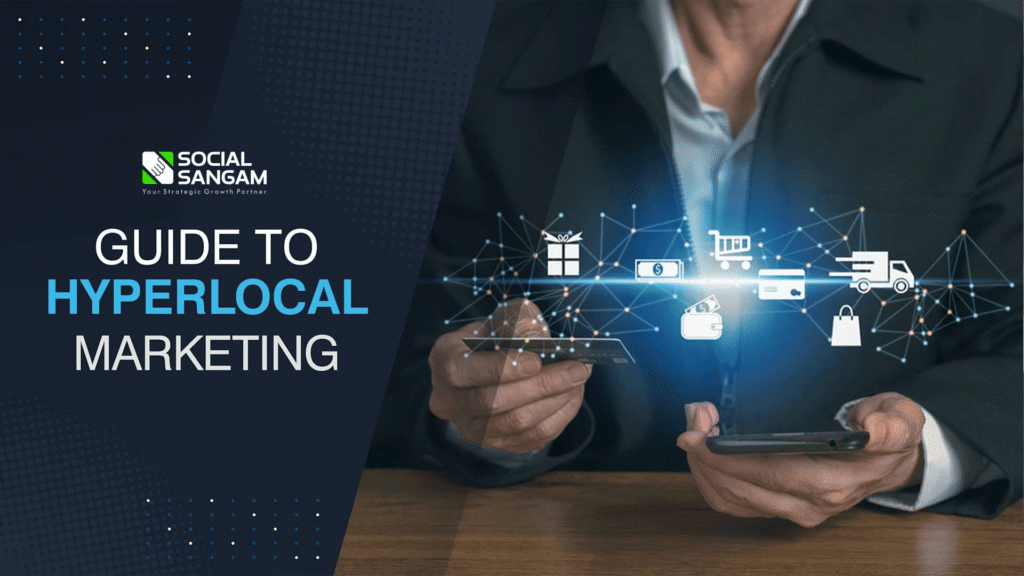
Hyper-local marketing goes beyond just mentioning your city name in posts. It’s about weaving yourself into the fabric of your community’s daily life. It means understanding local festivals, weather patterns, traffic routes, popular hangout spots, and even local slang.
This approach works because it creates what psychologists call “in-group preference” – people naturally prefer businesses that feel like part of their community rather than outsiders trying to sell something.
The Indian Context: Cultural Nuances Matter
India’s diversity makes hyper-local marketing even more powerful. A restaurant in Mumbai’s Bandra will market differently than one in Delhi’s Connaught Place, even if they serve similar food. Local festivals, regional preferences, climate differences, and cultural nuances all play crucial roles.
For instance, a fitness center in Chennai might create content around staying active during monsoon season, while the same business in Pune might focus on outdoor workouts in pleasant weather. Both are selling fitness, but the approach resonates differently with local audiences.
Practical Hyper-Local Strategies That Work
Create Location-Specific Content Calendars: Plan content around local events, festivals, and seasonal changes. During Ganpati festival in Mumbai, local businesses can create relevant content that feels authentic rather than opportunistic.
Use Local Landmarks and References: Include recognizable local spots in your visuals and copy. A delivery service mentioning “faster delivery than Bangalore traffic” immediately connects with locals who understand the reference.
Collaborate with Local Micro-Influencers: Partner with neighborhood personalities who have genuine local following. A local food blogger with 5,000 engaged followers often delivers better results than a celebrity with millions of disconnected followers.
Solve Local Problems: Address specific challenges your community faces. A grocery store near IT parks might focus on “quick lunch solutions for software engineers,” while one in a residential area emphasizes “fresh ingredients for family dinners.”
The Technology Behind Hyper-Local Success
Modern marketing tools make hyper-local targeting incredibly precise. You can now:
- Target ads to people within a 2-kilometer radius of your business
- Create different campaigns for different neighborhoods
- Track foot traffic from specific localities
- Analyze which local keywords drive the most engagement
Building Community, Not Just Customers
The most successful hyper-local businesses don’t just serve their community – they become part of it. They sponsor local events, support neighborhood causes, and create spaces where people naturally gather.
This community-building approach turns customers into advocates. When someone asks for restaurant recommendations in your area, your customers become your marketing team, naturally suggesting your business because it feels like “their place.”
Measuring Hyper-Local Impact
Success in hyper-local marketing isn’t just about sales numbers. Track:
- Local engagement rates on social media
- Foot traffic from nearby areas
- Word-of-mouth referrals and customer loyalty
- Community event participation and response
- Local search ranking improvements
The Competitive Advantage
Here’s what many businesses miss: while big chains have budget advantages, local businesses have authenticity advantages. You can’t fake local connection. When customers see you genuinely care about their community, they choose you over convenient alternatives.
Hyper-local marketing isn’t about limiting your reach – it’s about deepening your impact. In a world of infinite choices, being the obvious choice for your community is the ultimate competitive advantage.